


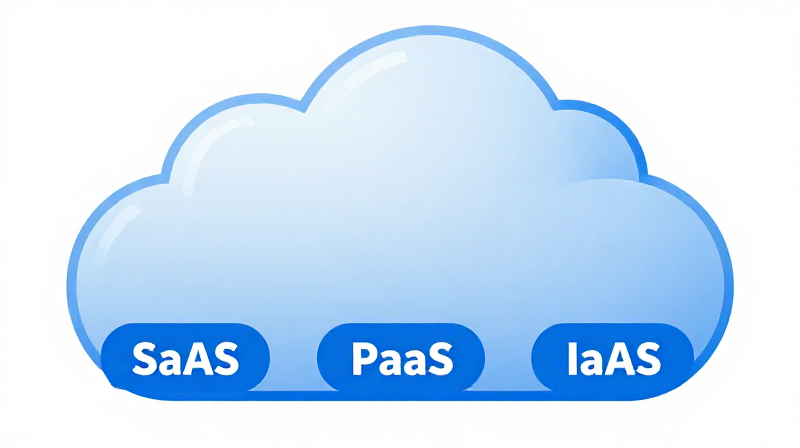
Well, well! A lot of short terms. They stand for:
SaaS – Software as a Service
PaaS – Platform as a Service
IaaS – Infrastructure as a Service
In the context of HANA, they essentially refer to services provided by Cloud service providers like SAP, Amazon AWS, Microsoft Azure etc. An SAP Customer can choose to have a subscription-based service(or another pricing model, based on Vendor). Let’s try to understand these Services in Detail.
SaaS – Software as a Service
When Software provider/Vendor provides a software service on real-time as per the subscription basis, this is SaaS. Software, in this case, is trimmed down version of a fully featured traditional software optimized to run on web-client.
In the case of SaaS, Operating environment is completely irrelevant. e.g. Dropbox is a classic example of file storage and sharing software. It really doesn’t matter to the user if the server of Dropbox is Linux based or Windows based. Dropbox provides an end-to-end solution to what it is meant for and it can be accessed anywhere using Clients made for your platform. e.g. Dropbox client is available for your iPhone, it is also available for Android based smartphones and also for web browsers.
In the case of SAP HANA, SaaS solution moves the task of managing software(e.g. Ariba, Concur etc.) and upgrades to the software provider. This also means low cost of version upgradation and related testing.
PaaS – Platform as a Service
PaaS services typically provide a computing platform for your organisation which includes Operating system, networking and storage. In this service, you can create and manage your own application, Database management system, webserver and development environment.e.g. Windows azure, Apache Stratos, Force.com etc.
IaaS – Infrastructure as a Service
IaaS as the name suggests, provides computing infrastructure, Virtual machines and other resources like file-based storage, firewalls, IP addresses and VLANs. e.g. Amazon EC2, Windows Azure, Google compute engine.
Well, these terms are not only HANA specific and they are also used widely in context of any other cloud infrastructure.